
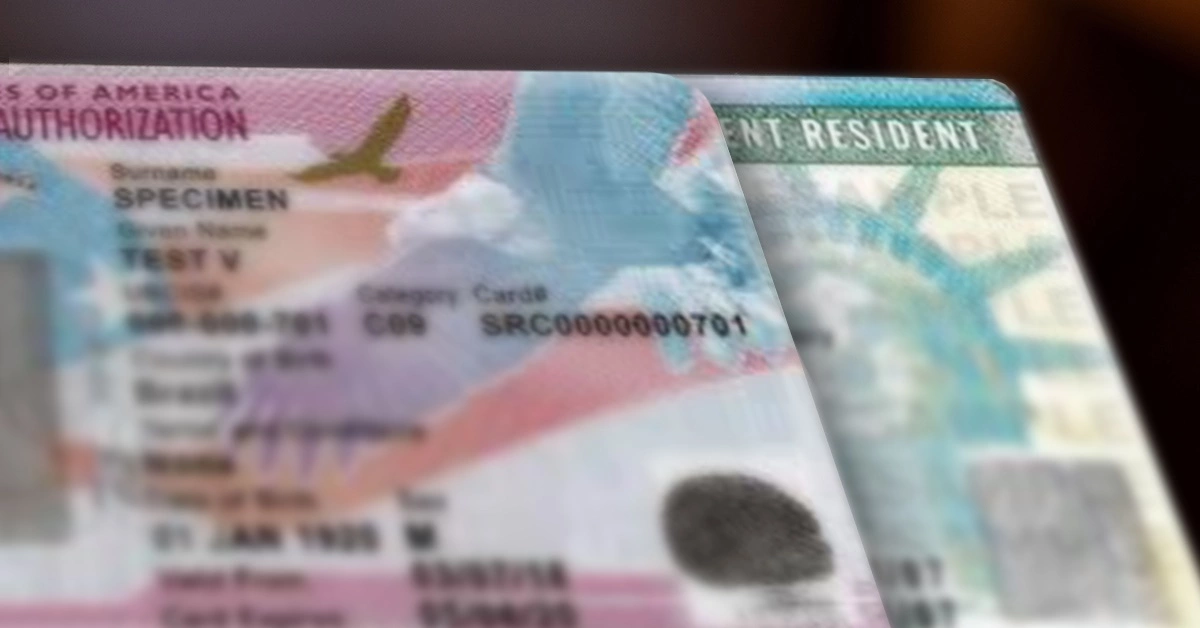
Foreign nationals are experiencing delays of more than a month in receiving approved work permits and green cards that are normally issued and mailed within days of approval. Applicants are also experiencing extended delays in the time it takes USCIS to adjudicate these applications. These delays have a major impact on foreign nationals and their US employers.
Although fluctuating processing times at USCIS are nothing new, delays in producing documents are. A recent opinion piece in the Washington Post reported that the contract between USCIS and the company it uses to print documents ended in June, and USCIS was set to transition document production to one of its own facilities. Inconveniently, however, USCIS shut down one of its two production facilities and significantly reduced capacity at the other due to a budget shortfall, resulting in a backlog in printing 50,000 green cards and 75,000 employment authorization documents (EADs).
Presenting evidence of employment authorization – such as an EAD, which is valid for and renewable in increments of 1 to 2 years – is required to work in the United States. In most cases, presenting an approval notice, but not the EAD itself, is insufficient for an employer to verify eligibility to work on Form I-9, as required by law. The delay in document production at USCIS leaves employers in a difficult position. They cannot hire the talent they have identified because new hires cannot produce documents to verify eligibility despite being authorized to work. They can pause or end employment for current employees who have not yet received renewed EADs. Or they can risk incurring civil violations and fines by hiring or retaining employees who can legally work, but cannot present documents to verify that fact because of USCIS production delays. These are equally unpleasant choices.
Delays in producing initial or renewal green cards also carry significant consequences. Green cards are valid for 10 years and must be renewed to update photos and fingerprints, so even long-term residents must deal with USCIS intermittently. Permanent residents age 18 and above are required by law to carry their cards or be subject to fines or even jail time. Residents must also present their green cards to show they are employment authorized, entitled to be readmitted after international travel, and lawfully present for driver’s licenses, mortgages, college enrollment, and other types of benefit applications.
Waiting for USCIS to produce an already approved green card may mean a permanent resident cannot access a benefit he or she is entitled to. It may also mean employers cannot hire the talent they need to run their businesses successfully. Although permanent residents’ eligibility to work is never re-verified, even after their cards expire, a resident who chooses to present a green card as evidence of employment eligibility at time of hire must present an unexpired card.
With the looming furlough of 13,400 USCIS employees if Congress does not allocate $1.2 billion in emergency funding by August 3, these document production delays are not likely to be reduced or eliminated any time soon.
 Counsel
Suzan’s practice focuses exclusively on US immigration and nationality law. Suzan represents businesses and individuals in administrative proceedings before the US Citizenship and Immigration Services, US Customs and ...
Search
Recent Posts
Categories
- Adjustment of Status
- Asylum
- Business Immigration
- CBP
- CIS
- Consular Processing
- Court Decisions
- COVID-19
- DED
- Deferred Action
- DHS
- DOL
- E-Verify
- EAD
- Enforcement
- F-1
- Federal Agencies
- Federal Laws/Legislation
- Global Immigration
- H-1B
- H-2B
- Homeland Security
- Humanitarian Relief
- I-9
- ICE
- Immigrant Visas
- L-1
- Labor Certification
- Legislation
- Naturalization
- News & Events
- Nonimmigrant Visas
- Other
- Processing Times
- REAL ID
- Refugees
- SSA
- State Department
- State Laws/Legislation
- TN
- TPS
- US Embassies
- USCIS
- Visa Lottery
- Visa Waiver Program
- Waivers
- Workplace Enforcement
Tags
- AC21
- ACA
- ACWIA
- Adam Rosser
- Adjustment of Status
- Adjustment of Status Applicant
- Adoption
- Advance Parole
- Agencies
- AILA
- Air Travel
- Alien Registration Requirement
- Application Service Centers
- Appropriations
- Arizona
- Asia
- Asylee
- Asylum
- Attorney General
- Awards
- B-1 Business Visitor
- B-1/B-2
- B-2 Tourist
- BALCA
- Biometrics
- Blanket L-1
- Board of Immigration Appeals
- Bob Quackenboss
- Brazil
- Brett Burns
- Brexit
- BRIDGE ACT
- Business Existence
- Business Immigration
- Business Immigration; USCIS; National Interest Waiver; labor certification
- Business Travel
- Buy American Hire American
- California
- Canada
- Cap
- Cap-Exempt
- Cap-Subject
- CARES Act
- CBP
- CDC
- Certification
- Chad
- Chaffetz
- Chambers USA
- Change In Location
- Change In Work Site
- Charities
- China
- Citizenship
- Compliance
- Consular Processing
- Controlled Technology
- Coronavirus/COVID-19
- Court
- Covid test
- CPT
- Current Events
- Customer Identity Verification
- Customs and Border Protection
- DACA
- Decisions
- DED
- Deemed Export
- Deferred Action
- Deferred Inspection
- Department of Homeland Security (DHS)
- Department of Justice
- Department of Labor
- Department of State (DOS)
- DHS
- Diversity Visa
- Diversity Visa Lottery
- DOL
- DOMA
- Domestic Violence
- Donald Trump
- DOS
- DREAM Act
- Driver License
- DS-160
- DV Lottery
- DV-2019 Dates
- E visa
- E-1
- E-2
- E-2 investors
- E-2 Spouse
- E-2 Visas
- E-3
- E-3 Australians
- E-3 Spouse
- E-Verify
- E13
- E21
- EAD
- EADs
- EAR
- Earthquake
- EB-1
- EB-1 Backlog
- EB-2
- EB-3
- EB-5
- Ecuador
- El Salvador
- Electronic System for Travel Authorization
- Embassy
- Emily Burkhardt Vicente
- Employer
- Employment Authorization
- Employment Eligibility Verification
- Employment-Based Immigration
- ESTA
- Ethiopia
- ETIAS
- European Union
- eVerify
- Executive Order (EO)
- Executive Orders
- Exempt Employee
- Export
- Export License
- F-1 Visa
- Fairness for High Skilled Immigrants Act
- Family
- Family Relationships
- FAR
- Federal
- Federal Acquisitions Regulation
- Federal Contracts
- Federal Law
- Fees
- Filing Fees
- Fingerprinting
- Fingerprints
- Fiscal Year 2016
- Foreign Grads
- Form 140
- Form I-9
- Form I-944
- Form Updates
- Fourth Circuit
- France
- Fraud Detection and National Security Directorate
- Full Vaccination
- Furlough
- FY15
- FY2017
- FY2020
- Georgia
- Global Entry
- Global Mobility
- Golden Arrow
- Grace Period
- Green Card
- Greg Robertson
- Guam
- Guinea
- H-1B
- H-1B Cap
- H-1B Registration
- H-1B Workers
- H-1B1
- H-2
- H-2B
- H-4
- H-4 EAD
- H-4 Spouse
- H-4 Spouses
- Haiti
- Hawaii
- Help HAITI Act
- HIV
- Holly Williamson
- Homeland Security
- Honduras
- HR 1044
- Humanitarian Relief
- Hunton Andrews Kurth
- I-129
- I-140
- I-20
- I-485
- I-539
- I-601A
- I-765
- I-9
- I-94
- I-94 Automation
- Ian Band
- ICE
- iCert
- Identification Document
- Illinois
- Immediate Relatives
- Immigrant
- Immigrant Investor Program
- Immigrant Visa
- Immigrant Visas
- Immigration
- Immigration & Customs Enforcement (ICE)
- Immigration in Sports
- Immigration News
- Immigration Uncertainty
- India
- Infopass
- International Offices
- Interns
- interview
- Interview Appointment
- Iran
- Iraq
- IRCA
- ITAR
- J-1
- Japan
- Josefina Augusto
- Juan Enjamio
- Kurt Larkin
- Kurt Powell
- L Visa
- L-1
- L-1 Intracompany Transferees
- L-1B
- L-2
- L-2 Spouse
- Labor
- Labor Certification
- Labor Market Test
- LCA
- Legal 500
- Legal Resident Aliens
- Legislation
- Liberia
- Liberian Nationals
- Libya
- License
- Limited Vaccine Availability
- Litigation
- Liya Green
- Lottery
- LPR
- M-1
- M-274
- M. Brett Burns
- Maryland
- Matter of A-B-
- Medical Exams
- Mexico
- Multinational Manager
- N-400
- NAFTA
- National Interest Exception
- National Interest Waiver
- National Labor Relations Board
- National Law Journal
- National Prevailing Wage Center
- National Visa Center
- Naturalization
- Natz
- Nepal
- New York
- News & Events
- NEXUS
- Nicaragua
- Nicaraqua
- Ninth Circuit
- NIV
- NLRB
- No-Match
- Nonimmigrant
- Nonimmigrant Visas
- Nonresident Alien
- North Korea
- Northern Mariana Islands
- NTA
- NVC
- O visa
- O-1
- Office Closures
- OPT
- Oregon
- P-1
- Passport
- Pérez v. Pérez
- PERM
- Permanent Residents
- Policy
- Portability
- Practical Training
- Preclearance
- Preflight Inspection
- Premium Processing
- Prescreening
- Presidential Proclamation
- Prevailing Wage Request
- Priority Date
- Pro Bono
- Processing Times
- Prohibited Entry
- Prosecutorial Discretion
- Provisional Waivers
- Public Access Files
- Public Charge
- REAL ID
- Reciprocity
- Recognitions
- Recovery Rebate
- Reducing Salary
- Refugee
- Refugees
- Registry
- RFE
- Rugby
- Ryan Glasgow
- Safe-Harbor
- Same-Sex
- Satisfactory Departure
- SAVE Jobs USA
- Scott Nelson
- SCOTUS
- Section 1
- Selective Service
- SENTRI
- Sessions
- Shaena Rowland
- Sierra Leone
- Social Media
- Somalia
- South Sudan
- Special Events
- State Department
- State Law
- Stateside Waivers
- STEM OPT
- Stepchildren
- Stephen Pattison
- Sudan
- Supplementary Lottery
- Supreme Court
- Syria
- Tax Credit
- Temporary Visas
- Terence Connor
- Texas
- TN
- TN visa
- TPS
- Tracker 8
- Trailblazer
- Trainees
- Transit Without a Visa
- Travel
- Travel Ban
- Travel Bonds
- Travel Restrictions
- Trump Administration
- Trusted Traveler
- Tsunami
- U Visa
- U.S. Customs & Border Protection
- U.S. Department of State
- U.S. Embassies
- Ukraine
- UN
- Unemployment
- Unemployment Benefits
- Unfair Labor Practices
- Unlawful Presence
- US Citizenship and Immigration Services
- US Customs and Border Protection
- US Department of State
- US Embassy
- US passports
- US Travel Ban
- USCBP
- USCIS
- USD140
- USD150
- USD390
- Vaccine Passport
- Venezuela
- VIBE
- Visa
- Visa Bond
- Visa Bulletin
- Visa Control
- Visa Lottery
- Visa Revalidation
- Visa stamp
- Visa Waiver
- Visa Waiver Program
- Visas
- Visitor Visas
- VWP
- Wait Times
- Waivers
- Webinar
- Whistleblower
- WHO
- Windsor v. United States
- Work Authorization
- Work Permits
- Work Search
- Worksite Enforcement
- Worksite Inspection
- World Health Organization
- Yemen