
The post-COVID real estate market has seen a surge in luxury gyms and fitness spaces. Members are willing to shell out several hundred dollars a month for memberships at popular high-end fitness chains. These modern luxury gyms offer more than just workout spaces. Many offer holistic lifestyle services such as spas, hair salons, social amenities, co-working spaces, and daycare. These luxury gyms are gaining larger footprints and emerging as a unique retail asset. In New York, some luxury fitness operators have expanded to dozens of locations and occupy significant retail footprints. As of early 2025, high-end fitness tenants in Manhattan collectively occupy more than 1.3 million square feet across dozens of locations, with some prime-site leases exceeding 50,000 square feet and extending for twenty years or more.
For landlords and developers, this evolution has created a unique tenant category offering distinct benefits and meaningful risk considerations. Luxury gyms are usually upwards of 30,000 square feet with many exceeding 100,000 square feet, making them attractive anchor tenants for retail or mixed-use projects. Many operators also sign long-term leases, sometimes 15–20 years, providing stable occupancy for landlords. Additionally, many high-end gym users frequent these facilities multiple times per week, creating consistent daily traffic and driving customers to other businesses a landlord may lease in the surrounding area. This frequent visitation can significantly benefit neighboring retailers, restaurants and service businesses in a large format retail center.
Additionally, landlords can utilize typically less-desirable retail space for gym space (i.e. basements, second floors, or older retail layouts) that are difficult to lease to traditional retailers. This flexibility makes gym tenants especially valuable in urban redevelopment projects. Warehouse-style and training-style gyms are particularly trendy and typically do not require the same level of finishes and amenities that luxury gyms require. Luxury gyms can also serve as a building amenity that enhances residential or office leasing. Developers increasingly incorporate fitness operators into mixed-use projects to attract tenants seeking lifestyle-oriented amenities and environments.
Despite these benefits for landlords, luxury fitness tenants present unique operational and financial challenges. High-end gyms and fitness centers require extensive plumbing, structural reinforcement, locker rooms, pools , and specialized equipment infrastructure. In addition, gyms and fitness centers can present parking challenges, as many anchor and junior anchor tenants require size and distance restrictions. Landlords may need to provide significant tenant improvement allowances to make deals economically attractive for a potential tenant. Compared to traditional retail, gyms often pay lower rent per square foot due to their large footprints and heavy operating costs. Finally, if a large gym vacates, re-leasing the space can be difficult due to specialized buildouts.
Additionally, the fitness industry experienced significant stress during the COVID-19 pandemic, highlighting the potential vulnerability of gyms during a public health crisis. Many consumers also view gym memberships as a primary target for budget cuts during an economic recession.
Despite these risks, luxury gyms continue to expand nationally in nearly all markets. The fitness sector’s growth reflects a broader shift toward experiential and lifestyle-based retail. For landlords, luxury-fitness tenants can serve as powerful anchors that activate space and attract high-income customers. However, successful leasing deals require thoughtful lease structures and long-term property strategy.
 Senior Attorney
Jessica’s practice focuses on commercial real estate, real estate development and land use law. Jessica is an associate on the firm’s real estate development and finance team. Jessica’s practice focuses on zoning and land ...
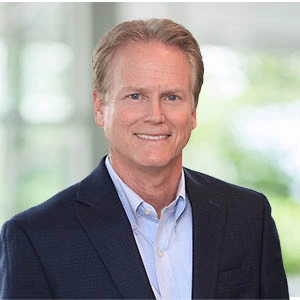 Partner
Mark’s practice focuses on commercial real estate transactions across a variety of industries, including in the retail, office and healthcare sectors. His experience includes (i) the representation of healthcare systems in ...
Search
Recent Posts
Categories
- Advertising & Marketing
- Bankruptcy
- Class Action
- Competition/Antitrust
- Consumer Protection
- Corporate Governance
- Environmental
- General
- Health Care
- Insurance
- IP
- Labor and Employment
- Mergers & Acquisitions
- News & Events
- Patent Infringement
- Patents
- Privacy & Cybersecurity
- Product Liability
- Real Estate
- Regulatory
- Technology & E-Commerce
Tags
- 29 C.F.R. § 785.48
- 396-r
- 3D Printer
- 3D Printing
- A. Todd Brown
- A.S. Research (ASR)
- Aaron P. Simpson
- Accountability
- Administrative Agencies
- Administrative Exemption
- Advertisers
- Advertising
- Advertising Claims
- Advertising Guidelines
- Advertising Idea
- Agency Guidance
- Agency Principles
- AI Interviewing Platforms
- AI Technology Reviews
- AIA
- Air
- Algorithmic Accountability Act
- Align
- Americans with Disabilities Act
- Americans with Disabilities Act (ADA)
- Andrea DeField
- Ann Marie Buerkle
- Annual Reports
- anti-aging
- Anti-Competitive Marketplace
- Anti-Discrimination
- APEX Agreement
- Arbitration
- Arbitration Agreements
- Arizona
- Arkansas
- Arthritis
- Artificial Intelligence (AI)
- Asbestos
- Assembly Bill 51 (AB 51)
- ATDS
- Athlete Eligibility
- Australia
- Auto-renewals
- Automatic Telephone Dialing System (ATDS)
- Automobile
- Automotive Body Parts Association (ABPA)
- Back to Work Emergency Ordinance
- biased endorsements
- Biden Administration
- Biometric Data
- Biometric Information
- Biometric Information Privacy Act (BIPA)
- BIPA
- Bitcoin
- Blockchain
- Board Diversity Disclosure
- Boards of Directors
- Bonuses
- Braille
- Branding
- Breach
- Breach of Contract
- Business Interruption
- Business Interruption Loss
- Businessowner’s Insurance
- Buy Now, Pay Later
- California
- California Air Resources Board
- California Assembly Bill 2011
- California Employment Laws
- California Fair Employment and Housing Act
- California False Claims Act
- California Labor Code
- California Legislation
- California Privacy Protection Agency
- California Senate Bill 6
- California’s Unfair Competition Law
- CalRecycle
- CAMS
- Canada
- Cannabis
- CARB
- CBD
- CBP
- CCPA
- Celebrity Endorsers
- Center for Disease Control (CDC)
- CFIUS
- CGL
- Chatbot
- Children's Privacy
- Children’s Advertising
- Children’s Advertising Review Unit
- Children’s Online Privacy Protection Act (COPPA)
- China
- Christopher J. Dufek
- Christopher W. Hasbrouck
- Christy Kiely
- CIPA
- Class Action
- Class Action Litigation
- Class Actions
- Clawback
- Click-to-Cancel
- Climate Change
- Climate Disclosure
- clinical trials
- Collective Action
- Colorado
- Commerce Clause
- Commercial General Liability
- Commercial Leasing
- Commercial Messaging
- Commercial Products
- Commercial Real Estate
- Commodity Futures Trading Commission
- Compensation
- Compliance
- Confidentiality
- Congress
- Connecticut
- Consent
- Consent Order
- Consumer Advertising
- Consumer Data
- Consumer Financial Protection Bureau
- Consumer Fraud
- consumer loyalty program
- Consumer Privacy
- Consumer Product Safety Act
- Consumer Products
- Consumer Products Safety Commission (CPSC)
- Consumer Protection
- Consumer Review Fairness Act of 2016 (CRFA)
- Consumer Reviews
- Consumer Rights
- Contamination
- Contract Law
- Controlled Substance Act
- Cookies
- Cookware
- Copyright
- Coronavirus/COVID-19
- Corp Fin
- Corporate Governance
- Corporate Reporting
- Corporate Sustainability
- Corporate Transparency Act (CTA)
- Costco
- Counterfeit Goods
- Counterfeit Goods Seizure Act of 2019
- Court of International Trade
- CPRA
- CPSA
- CPSC
- Crack House Statute
- CRFA
- Crypto
- Cryptocurrency
- CSPA
- Cuba
- Currency
- Customs and Border Protection
- Cyber
- Cyber Coverage
- D. Andrew Quigley
- D&O
- D&O policies
- Damages
- Data Breach
- Davidson
- Deceptive Advertising
- DEI
- Delaware
- Delivery Drivers
- DEP
- Department of Agriculture
- Department of Justice
- Department of Labor
- Department of Transportation
- Development Impact Fee
- Dietary Guidelines
- Digital Assets
- digital currency
- Disclosures
- Discrimination
- Distribution
- District of Columbia
- Division of Corporation Finance
- Dodd-Frank
- DOJ
- DOL
- Duty to Defend
- Duty to Indemnify
- e-liquid products
- Eddie Bauer
- EEOC
- Electric Vehicles
- Electronic Communications Privacy Act
- Eleventh Circuit
- Emily Burkhardt Vicente
- Employee Rights
- Employment-Based Immigration
- Endorsement
- Endorsement Guides
- Endorsement Notice
- Endorsements
- endorser monitoring requirements
- Enforcement
- Environmental Impact
- Environmental Protection Agency
- Environmental Protection Agency (EPA)
- EPA
- Epidemic
- ESG
- ESG Disclosure
- EU Regulation
- European Union
- European Unitary Patent
- EV Charging
- Exceptions
- Exclusions
- Executive Compensation Disclosure Rules
- Executive Order (EO)
- Executive Orders
- Exercise Machines
- Extended Producer Responsibility (EPR)
- FAA
- Fair Labor Standards Act
- Fair Labor Standards Act (FLSA)
- fair use
- False Advertising
- False Advertising Claims
- False Advertising Law
- False Claims Act
- Family Leave Policies
- FAR
- Fashion Accountability Acts
- FCC
- FCRA
- FDA
- Federal Acquisition Regulations
- Federal Arbitration Act (FAA)
- Federal Communications Commission
- Federal Contractors
- Federal Contracts
- Federal District Court
- Federal Government Contractor
- Federal Government Shutdown
- Federal Trade Commission
- Federal Trade Commission (FTC)
- FFDCA
- FIFRA
- Fifth Circuit
- Final Rule
- Financial Technology
- FinCEN
- FinHub
- Fireworks
- First Amendment
- Fixing America’s Surface Transportation (FAST) Act
- Florida
- Florida House of Representatives (HB 963) and Florida Senate (SB 1670)
- Florida Legislature
- FLSA
- FLSA/Wage & Hour
- FMLA
- Food and Beverage Manufacturers
- Food and Drug Administration (FDA)
- Food Delivery
- Food Safety
- Form 10-K
- Formaldehyde Standards for Composite Wood Products Act of 2010
- fractional interests
- Franchise
- Frederic Chang
- Free Trials
- FTC
- FTC Act
- Gavin Newsom
- GDPR
- General Liability
- Generative AI
- Geoffrey B. Fehling
- Georgia
- Gift Cards
- GoodRx
- Gramm-Leach-Bliley (GLB) Act
- Green
- Green Guides
- Greenhouse Gas
- Gun Safety
- Hart-Scott-Rodino
- Hart-Scott-Rodino (HSR)
- Hashtag
- Hawaii
- Health Care
- Health Claims
- Hedge Fund
- Higher Education
- HIPAA
- hoverboards
- human capital
- Human Rights
- IEEPA
- Illinois
- Illinois Artificial Intelligence Video Interview Act (the Illinois Act)
- Illinois Biometric Information Privacy Act (BIPA)
- Independent Contractors
- Indiana
- Indoor Mall
- Influencer Marketing
- Infringement
- initial public offerings (IPOs)
- Injury
- Insurance
- Insurance Loss
- Insurance Provider
- Intellectual Property
- Intellectual Property Licenses in Bankruptcy Act
- Inter Partes Review
- Interest Rate
- International
- International Trade Commission
- International Trade Commission (ITC)
- Internet
- Inventorship
- investigation
- INVISALIGN
- Iowa
- IP
- IPR
- Ireland
- IT
- ITC
- iTERO
- Job Posting
- Joint Employer
- Junk Fees
- Katherine Miller
- Kurt A. Powell
- Kurt G. Larkin
- Labeling
- Labeling Requirements
- Labeling Rules
- Labor
- Labor Code Private Attorneys General Act of 2004 (PAGA)
- Labor Organizing
- Labor Unions
- Land Use
- Landlord
- Latin America
- Lautenberg Act
- Lawsuit Reform Alliance of New York (LRANY)
- Lead
- Lease
- Legislation
- Leveraged Loans
- Liability Insurance Policy
- Liberty Insurance Corporation
- Liberty Mutual Fire Insurance Company
- LIBOR Discontinuation
- liquidity
- Litigation
- Live Chat
- Lost Profits
- Lost Sales
- Louisiana
- Luxury Gyms
- M&A
- Made in the USA
- Made in USA
- MagicSleeve
- Magnuson-Moss Warranty Act
- Magnuson-Moss Warranty Act (MMWA)
- Maine
- Malcolm C. Weiss
- Manufacturing
- Marketing
- Marketing Claims
- Maryland
- Massachusetts
- Matthew T. McLellan
- Maya M. Eckstein
- MD&A
- Medtail
- Membership cancellation
- Mergers & Acquisitions
- Metaverse
- MeToo Movement
- Mexico
- Michael J. Mueller
- Michael S. Levine
- microplastics
- Microplastics Litigation
- Minimum Wage
- Minnesota
- Minnesota Pollution Control Agency (MPCA)
- Misclassification
- Mislabeling
- Mission Product Holdings
- Missouri
- Mobile
- Mobile App
- Motoclick
- Multi-Family Housing Development
- Multi-Level Marketing Program (MLM)
- NAA
- NAD
- NASA
- Nasdaq
- National Advertising Division
- National Advertising Division (NAD)
- National Advertising Review Board
- National Collegiate Athletic Association (NCAA)
- National Labor Relations Act
- National Labor Relations Board
- National Products Inc.
- National Retail Federation
- Natural Disaster
- Nebraska
- Negligence Claims
- Neil K. Gilman
- Network Outage
- Nevada
- New Jersey
- New York
- New York City Department of Consumer and Worker Protection
- New York Department of Financial Services
- NHTSA
- NIL rights
- Ninth Circuit
- NLRA
- NLRB
- no-action request
- Non-Compete
- Non-Exempt
- Non-Exempt Employees
- non-fungible token (NFT)
- North Carolina
- Nutrition Labels
- Obama Administration
- Occupational Safety and Health Administration (OSHA)
- Occurrence
- Office of Labor Standards Enforcement
- Ohio
- Oklahoma
- Online Cash Providers
- Online Privacy
- Online Retailer
- Online Reviews
- Opinion Letters
- Opioids
- Opt-Out
- Oregon
- Overboarding
- Overtime
- Overtime Exemptions
- Ownership
- Packaging
- PAGA
- Pandemic
- Patent
- Patent Infringement
- Patents
- Paul T. Moura
- Pay Equity
- Pay Ratio
- Pay Transparency
- Pay-To-Play Rankings
- Penalty
- Pennsylvania
- Penny Shortage
- Personal and Advertising Injury
- Personal Data
- Personal Information
- Personal Injury
- Personally Identifiable Information
- Pesticides
- PFAS
- Physical Loss or Damage
- Policy
- Predictive Inventory
- price gouging
- Primary and Umbrella Policies
- Privacy
- Privacy Guidelines
- Privacy Policy
- Privacy Protections
- Procurement
- Product Liability
- Product Packaging
- Product Safety
- Prohibition on Sale
- Property Insurance
- Property Rights
- Proposed Legislation
- Proposed Rule
- Proposition 65
- Proxy Access
- proxy materials
- Proxy Statements
- PTAB
- PTO
- Public Accommodations
- Public Companies
- Purdue Pharma
- Randall S. Parks
- Ransomware
- Real Estate
- Recall
- Recalls
- Recording
- Regulation
- Regulation S-K
- Restaurants
- Restrictions
- Restrictive Covenants
- Retail
- Retail Developers
- Retail Development
- Retail Industry Leaders Association
- Retail Litigation Center
- Retail Year in Review
- Retaliation
- Rounding
- Roundup
- Rulemaking
- Ryan A. Glasgow
- Sales Tax
- Salesforce
- SD8 coins
- SEC
- SEC Disclosure
- Second Circuit
- Section 337
- Section 365
- Secure and Fair Enforcement Banking Act of 2019 (“SAFE Banking Act”)
- Securities
- Securities and Exchange Commission
- Securities and Exchange Commission (SEC)
- Securities Exchange Commission
- security checks
- Self-Checkout
- Senate
- Senate Data Handling Report
- Sergio F. Oehninger
- Service Contract Act (SCA)
- Service Interruption
- Service Provider
- SHARE
- Shareholder
- Shareholder Proposals
- Sign-In Wrap Agreement
- Slogan
- Smart Contracts
- SNAP
- Social Media
- Social Media Influencers
- Software
- South Carolina
- South Dakota
- Special Purpose Acquisition Companies (SPACs)
- Sponsors and Gifting
- Sponsorship
- State Attorneys General
- State Law
- State Legislation
- Store Closures
- Strategic Plan
- Subscription Services
- Substantiation
- Substantiation Notice
- Supplier
- Supply Chain
- Supply contracts
- Supply-Chain Operations
- Supreme Court
- Surveillance Pricing
- Sustainability
- Syed S. Ahmad
- Synovia
- Targeted Advertising
- Tariff
- Tax
- TCCWNA
- TCPA
- Technology
- Technology Innovation
- Telemarketing
- Telephone Consumer Protection Act
- Telephone Consumer Protection Act (TCPA)
- Tempnology LLC
- Tenant
- Tennessee
- Terms and Conditions
- Texas
- The Fair Credit Reporting Act (FCRA)
- Third Party Litigation Funding
- Third-Party
- Thomas R. Waskom
- Title VII
- Tokenization
- Tokens
- Toxic Chemicals
- Toxic Substances Control Act
- Toxic Substances Control Act (TSCA)
- Trade Dress
- Trademark
- Trademark Infringement
- Trademark Trial and Appeal Board (TTAB)
- TransUnion
- Travel
- Trends
- Trump Administration
- TSCA
- TSCA Title VI
- U.S. Department of Justice
- U.S. Department of Labor
- U.S. Food and Drug Administration
- U.S. House of Representatives
- U.S. Patent and Trademark Office
- Ultra-Processed Foods
- Umbrella Liability
- Unfair and Deceptive Use
- Union
- Union Organizing
- United Specialty Insurance Company
- Unmanned Aircraft
- Unruh Civil Rights Act
- UPSTO
- US Chamber of Commerce
- US Customs and Border Protection (CBP)
- US Department of Agriculture
- US Environmental Protection Agency (EPA)
- US International Trade Commission (ITC)
- US Origin Claims
- US Patent and Trademark Office
- US Patent and Trademark Office (USPTO)
- US Supreme Court
- USDA
- USPTO
- Utah
- Varidesk
- Vendor
- Vermont
- Virginia
- Volatile Organic Compound (VOC) Emissions
- W. Jeffery Edwards
- Wage and Hour
- Wage-And-Hour
- Walter J. Andrews
- Warning Labels
- Warranties
- Warranty
- Washington
- Washington DC
- WCAG
- Web Accessibility
- Website
- Website Accessibility
- Website Tracking Litigation
- Weight Loss
- Wiretap
- Wiretapping
- World Health Organization (WHO)
- Wyoming
- Year In Review
- Zoning
- Zoning Conversion
- Zoning Ordinances
- Zoning Regulations
Authors
- Gary A. Abelev
- Syed S. Ahmad
- Brandon Bell
- Fawaz A. Bham
- Michael J. “Jack” Bisceglia
- Jennifer L. Bloom
- Jeremy S. Boczko
- Brian J. Bosworth
- Shannon S. Broome
- Samuel L. Brown
- Tyler P. Brown
- Melinda Brunger
- Jimmy Bui
- M. Brett Burns
- Daniel J. Butler
- Matthew J. Calvert
- Grant H. Cokeley
- Eric S. Crusius
- Christopher J. Cunio
- Alexandra B. Cunningham
- Merideth Snow Daly
- Timothy G. Decker
- Katherine P. Deegan
- Andrea DeField
- John J. Delionado
- Stephen P. Demm
- Jeff C. Dodd
- Mayme Donohue
- Christopher J. Dufek
- Robert T. Dumbacher
- M. Kaylan Dunn
- Chloe Dupre
- Frederick R. Eames
- Andre Earls
- Maya M. Eckstein
- Tara L. Elgie
- Clare Ellis
- Latosha M. Ellis
- Gregory H. Eng
- Juan C. Enjamio
- Kelly L. Faglioni
- Ozzie A. Farres
- Geoffrey B. Fehling
- Jason Feingertz
- Hannah Flint
- Erin F. Fonté
- Kevin E. Gaunt
- Andrew G. Geyer
- Armin Ghiam
- Neil K. Gilman
- Ryan A. Glasgow
- Carleton Goss
- Tyler Grant
- Tonya M. Gray
- Elisabeth R. Gunther
- Steven M. Haas
- Kevin Hahm
- Jason W. Harbour
- Jeffrey L. Harvey
- Christopher W. Hasbrouck
- Eileen Henderson
- Gregory G. Hesse
- Jane Hinton
- Kirk A. Hornbeck
- Jamie Zysk Isani
- Nicole R. Johnson
- Roland M. Juarez
- James A. Kennedy, II
- Suzan Kern
- Jason J. Kim
- Scott H. Kimpel
- Elizabeth King
- Abigail Klauer
- Leslie W. Kostyshak
- P. Reiko Koyama
- Kurt G. Larkin
- Tyler S. Laughinghouse
- Jane G. Legris
- Gerry Leone
- Michael S. Levine
- Ashley Lewis
- Abigail M. Lyle
- Maeve Malik
- Sadie Mapstone
- Eric R. Markus
- John Gary Maynard, III
- Gray Moeller
- Michael D. Morfey
- Ann Marie Mortimer
- Michael J. Mueller
- J. Drei Munar
- Matthew Nigriny
- Michael A. Oakes
- Justin F. Paget
- Randall S. Parks
- J. Steven Patterson
- Katherine C. Pickens
- Gregory L. Porter
- Robert T. Quackenboss
- D. Andrew Quigley
- Michael Reed
- Natalie Reed
- Jonathan D. Reichman
- Kelli Regan Rice
- Patrick L. Robson
- Amber M. Rogers
- Zachary Roop
- Adam J. Rosser
- Rachel Saltzman
- Natalia San Juan
- Arthur E. Schmalz
- Raymond Schorr
- Daniel G. Shanley
- Nisa R. Sheikh
- Madison W. Sherrill
- Nikki Skolnekovich
- Kevin V. Small
- J.R. Smith
- Bennett Sooy
- Brian T. Stansbury
- Daniel Stefany
- Hak Stepanyan
- Javaneh S. Tarter
- Catherine Toner
- Joseph Anthony Turzi
- Shauna R. Twohig
- Paige Van Oosten
- Jessica N. Vara
- Emily Burkhardt Vicente
- Mark R. Vowell
- Gregory R. Wall
- Thomas R. Waskom
- Malcolm C. Weiss
- Amy McDaniel Williams
- Holly H. Williamson
- Samuel Wolff
- Jingyi “Alice” Yao
- Jessica G. Yeshman