
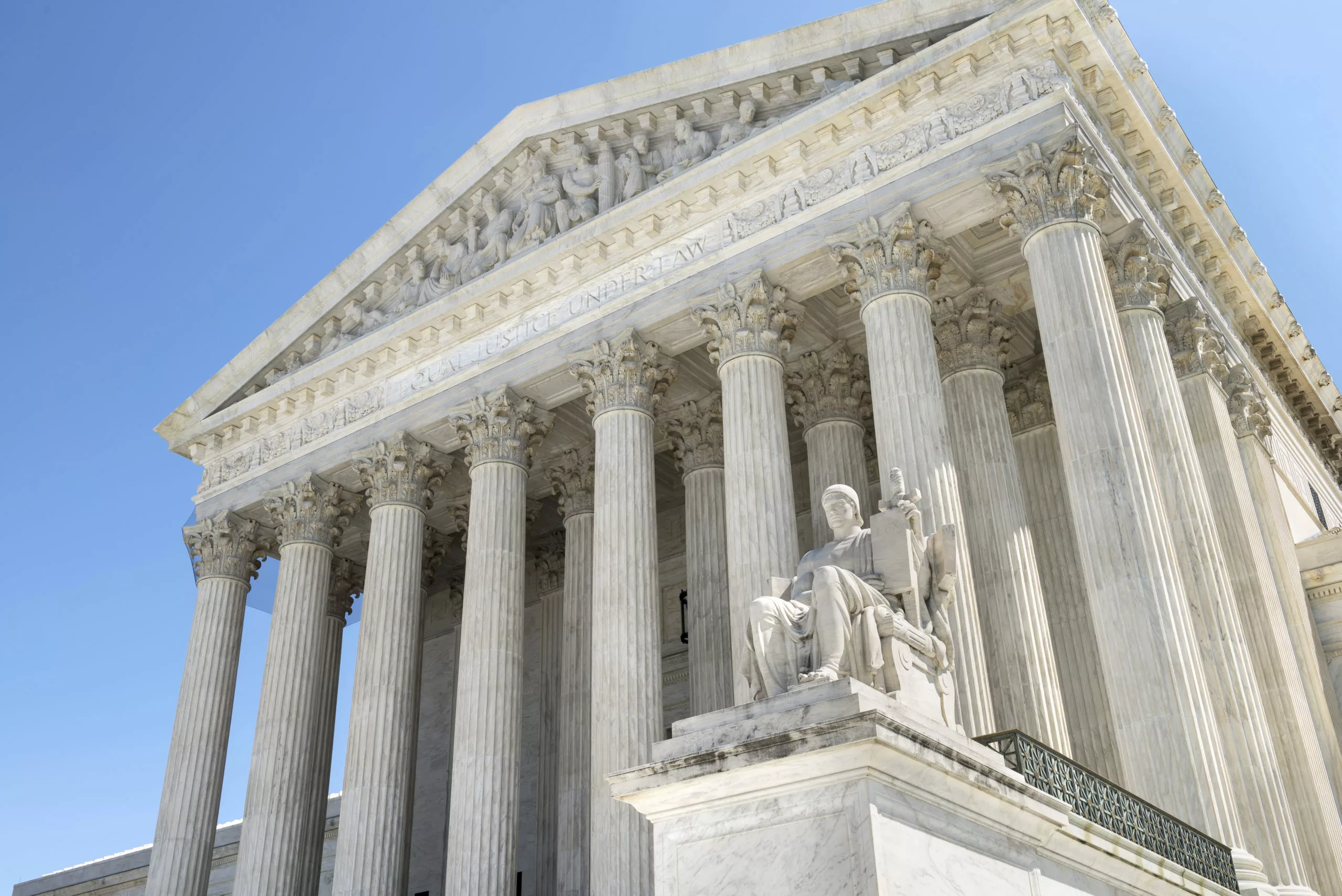
On June 29, 2026, the Supreme Court of the United States issued a landmark decision overruling a 90-year-old Supreme Court precedent and significantly expanding presidential power to remove members of independent agencies. In Trump v. Slaughter, No. 25-332, the Supreme Court held that the “for-cause” removal protections applicable to commissioners of the Federal Trade Commission (FTC) are unconstitutional and inconsistent with the separation of powers doctrine. Although the Supreme Court’s decision concerned FTC commissioners, its reasoning is likely to have broader consequences for other multimember agencies whose leaders have traditionally been protected from at-will removal. For employers, the most immediate implications may be at agencies such as the National Labor Relations Board (NLRB), where changes in leadership could now occur more quickly and bring faster shifts in enforcement priorities, regulatory policy, and litigation risk.
Trump v. Slaughter - The Case Background
Shortly after the start of President Trump’s second term in 2025, he removed FTC Commissioner Rebecca Kelly Slaughter without invoking the FTC Act’s statutory standard permitting removal only for “inefficiency, neglect of duty, or malfeasance in office.” Rather than identifying any such cause, the President stated that Slaughter’s continued service was inconsistent with the Administration’s priorities.
Slaughter then filed suit seeking declaratory and injunctive relief restoring her to office, contending that her removal was unlawful. The district court agreed, concluding that existing Supreme Court precedent—most notably Humphrey’s Executor v. United States, 295 U.S. 602 (1935)—barred the President from removing an FTC commissioner at will. The Administration appealed and argued that the FTC’s statutory removal protections are unconstitutional. The Supreme Court granted certiorari before judgment and blocked Slaughter’s reinstatement while the case proceeded.
Prior Precedent: Myers and Humphrey’s Executor
Prior to the Trump v. Slaughter decision, commissioners appointed to the FTC could only be removed by the President for “inefficiency, neglect of duty, or malfeasance in office.” That statutory for-cause protection reflected a long-settled understanding that FTC commissioners were not subject to at-will presidential removal.
That framework rested on two Supreme Court cases pointing in different directions. In Myers v. United States, 272 U.S. 52 (1926), the Court recognized a general rule that the President may remove executive officers as part of his Article II authority to supervise those who execute federal law. Nine years later, however, the Court held in Humphrey’s Executor that this rule did not apply to FTC commissioners. The Court reasoned that the FTC performed “quasi-legislative” and “quasi-judicial” functions, rather than exercising executive power in the ordinary sense, and therefore could be insulated from direct presidential control through for-cause removal protections.
For decades, Humphrey’s Executor served as a cornerstone of the legal framework supporting the structure of independent agencies. It was widely understood to permit Congress to create multimember commissions whose leaders could not be removed by the President except for specified cause. Although later Supreme Court decisions had narrowed that framework and cautioned that Humphrey’s Executor should be read on its own terms, the case remained an important source of protection for officials serving on independent agencies such as the FTC.
The Supreme Court’s 6-3 Decision in Trump v. Slaughter
In a landmark 6-3 decision, the Supreme Court concluded that the FTC Act’s for-cause removal protection for commissioners violates the Constitution’s separation of powers. The majority emphasized that Article II of the Constitution vests the executive power in the President and that agency officials who exercise that power must remain accountable to the President for the President to carry out his duties effectively. As the Court put it, “[t]o remain accountable to the President, those officers must be removable by the President.” The Court made the point even more directly in explaining that, “[a]lthough it is up to the Senate to decide whether to confirm those with whom the President would prefer to work, neither Congress nor the courts may saddle him with those with whom he cannot work.”
In reaching that conclusion, the Court expressly overruled Humphrey’s Executor. Writing for the Court, Chief Justice Roberts emphasized that the modern FTC wields expansive rulemaking, enforcement, and adjudicatory authority, placing it “well within the heartland of executive power.” On that view, Congress may not insulate FTC commissioners from presidential removal when they exercise powers for which the President is ultimately constitutionally responsible.
Implications for Employers
Although the Supreme Court’s decision concerned FTC commissioners, the overruling of Humphrey’s Executor will likely have consequences for other multimember agencies, including those that regulate the workplace, such as the NLRB. Employers should expect renewed challenges to agency structure, more direct presidential control over agency leadership, and potentially sharper shifts in enforcement priorities as administrations change.
The potential implications are coming into focus for the NLRB. The D.C. Circuit recently upheld President Trump’s removal of former Board Member Gwynne Wilcox and concluded that the NLRB’s authority to issue rules, shape policy through adjudication, and litigate independently places the agency outside the traditional Humphrey’s Executor framework. In light of the Court’s decision in Trump v. Slaughter, the President’s removal of Wilcox now appears to be on much firmer constitutional footing, and the decision strongly suggests that future administrations may have greater freedom to reshape the NLRB without traditional cause-based limitations on removal.
The decision may also affect other pending legal challenges to the NLRB’s structure. Several courts are currently hearing constitutional challenges brought against the NLRB, and the decision in Trump v. Slaughter appears to strengthen presidential-control arguments against Board members’ for-cause removal protections in those cases. More broadly, the decision is likely to result in more litigation over agency authority going forward, particularly as courts continue to reassess the scope and independence of federal agencies.
Employers should continue to closely monitor agency leadership changes and related case law developments in this area because those developments are likely to shape enforcement priorities, regulatory stability, and workplace litigation risk.
 Partner
Kurt has a national practice focused on complex labor and employment matters and related litigation. He counsels clients on all aspects of labor-management relations, including representation elections, collective bargaining ...
 Associate
Michelle focuses her practice on labor and employment law, including employment discrimination and harassment claims, class action wage and hour disputes, California PAGA actions, and wrongful termination allegations.
Search
Recent Posts
- New California Employment Laws Expand on Right to Take Bereavement Leave And Require Anti-Hate Speech Training for All Employees
- Forced Labor: Unions and Activists are Redefining the Legal Boundaries
- Fourth Circuit Vacates Wage-and-Hour Class Certification Due to Existence of Individualized Inquiries Despite Uniform Policy
Categories
Tags
- #MeToo
- 100 Days
- 1094-C
- 1095-C
- 14th Amendment
- 2017 Tax Act
- 2018 Budget
- 2024 Election
- 29 C.F.R. § 785.48
- 3rd Circuit
- 40 & Under Hot List
- 408(b)(2)
- 4th Circuit Court of Appeals
- 5th Circuit
- 80/20
- 9th Circuit
- 9th Circuit Court of Appeals
- A Day Without A Woman
- AAP
- AB 1506
- AB 1522
- AB 1897
- AB 2257
- AB 2751
- AB 2770
- AB 304
- AB 465
- AB 5
- AB 51
- AB 685
- AB 84
- AB5
- AB51
- Abbott
- ABC Test
- Abruzzo
- Absolute Healthcare
- ACA
- Accessibility
- Accommodation
- Accommodations
- ADA
- ADAAA
- Adam Rosser
- ADEA
- Administrative Agencies
- Administrative Exhaustion
- Administrative Law Judge
- Adverse Action
- Advice
- Advice Exception
- Affirmative Action
- Affordable Care Act
- AFL-CIO
- Age Discrimination
- Agency
- Agency Developments
- Agency Fees
- Agency Guidance
- Agency Relationship
- Agency Updates
- Agreement
- Air Quality Index
- Airline Worker
- Alan Marcuis
- Alcohol Policy
- Alcoholism
- Alien Tort Statute
- ALJ
- ALJ Bench Book
- Alternative to Termination
- Alvarado v. Cajun Operating Company
- Alyson Brown
- Amber Rogers
- Ambush Election
- Ambush Elections
- American Health Care Act
- American Lawyer
- American Steel
- American Taxpayer Relief Act of 2012
- Americans for Financial Reform
- Americans with Disabilities Act
- Amicus Brief
- Andy Stern
- Anna Burger
- Anti-Discrimination
- Anti-Harassment
- Anti-Harassment Training
- Anti-Poaching Agreements
- Antitrust
- APA
- Appeal
- Apprentice
- Apprenticeship Programs
- AQI
- Arbitral Deferal Standards
- Arbitration
- Arbitration Agreements
- Arbitration; Class Actions; Sexual Harassment; Employment; Retaliation
- ARRA
- Article III
- Article III Standing
- Artificial Intelligence (AI)
- Assembly Bill 51
- Assurances
- AT&T Mobility v. Concepcion
- Attorney-Client Privilege
- Audit CAP
- Automated Decisionmaking
- Awards
- Back to Work Emergency Ordinance
- Background Check
- Background Checks
- Backpay
- Ballots
- Ban The Box
- Bank Executives
- Banking
- Bankruptcy
- Banner Health Systems
- Bannering
- Bargaining Process
- Bargaining Unit
- Bargaining Units
- Bay Area Commuter Benefits Program
- Baylor
- Bellus Academy
- Benchmark Litigation
- Benefit Plans
- Bereavement
- Biden Administration
- Biden Board
- Biden NLRB
- Biden Presidency
- Biden-rule
- Bill Halter
- Biometric Data
- Biometric Information
- Biometric Screening
- Biometrics
- BIPA
- Bitcoin
- Blacklisting
- Blanche Lincoln
- Blanket L-1
- Bloomberg Law
- Bob Quackenboss
- Boeing
- Bone Marrow Donor
- Bonus Plan
- Bostock
- Boston Business Journal
- Bowman
- Braille
- Breach of Fiduciary Duty
- Break Time
- Breaks
- Brett Burns
- Brian Hayes
- Bright v. 99 Cents Only Store
- Brinker
- Broken Laws, Unprotected Workers
- Brooke Hollmann
- Browning-Ferris
- Budde v. Kane County Preserve
- Budtender
- Burns Successor
- Burton Awards
- Business Closure
- Business Continuity
- Business Interruption Coverage
- Business Necessity
- Business of Law Visionary
- Business Suspension
- Buy-Sell Agreements
- CA
- CACI
- CADA
- Cadillac Tax
- Caesars
- CAFA
- Cafeteria Plan
- Cal-OSHA
- Cal/OSHA
- California
- California Civil Rights Department
- California Department of Public Health
- California Developments
- California Employers
- California Employment Law
- California Employment Laws
- California Face Covering Guidance
- California Fair Employment and Housing Act
- California Fair Pay Act
- California Kin Care Laws
- California Labor Code
- California Labor Code section 432.3
- California Law
- California Leave
- California Legislation
- California Non-Compete Agreements
- California Occupational Safety and Health Standards Board
- California Senate Bill 399
- California Supreme Court
- California Supreme Courts
- California Transparency in Supply Chain Act
- California Wages
- California Wildfires
- California Worker Adjustment and Retraining Notification Act
- Call to Action on Jobs
- CalOSHA
- Cannabis
- Cannabis Laws
- Cannabis Oil
- Captive Audience
- Card Check
- Card Checks
- CARES Act
- Case Processing
- Cats Paw
- CBA
- CBD Laws
- CCP Section 998
- CCPA
- CCRAA
- CDC
- Cell Phone Ban
- Cemex
- Centers for Disease Control and Prevention
- cert
- Certification
- Certification Analysis
- certiorari
- CFPB
- CFRA
- Chai Feldblum
- Chairman McFerran
- Chamber of Commerce
- Chambers USA
- Change to Win
- Charge Statistics
- Checking Employee Temperature
- Chevron
- Child Care Benefits
- CHOICE Act
- Christopher v. SmithKline Beecham
- Circuit Split
- City Ordinances
- City Ordinances; Non-compete; Restrictive Covenants; District of Columbia
- Civil Procedure
- Civil Rights
- Civil Rights Act
- Claims-Processing
- Class Action
- Class Action Waiver
- Class Action Waviers
- Class Actions
- Class Arbitration
- Class Certification
- Class of Workers
- Class Representatives
- CLE
- Clean Air Act
- Client Employer
- Close Contact
- Closure
- Cloth Face Covering
- COBRA
- Code of Conduct
- Coercion
- Collective Action
- Collective Actions
- Collective Bargaining
- Collective Bargaining Agreement
- Colorado
- Colorado’s Antidiscrimination Act
- Commonality Requirement
- Community Health Systems
- Commute Time
- Commuter Benefits
- Companionship Services
- Company Policies
- Compensation
- compensation analysis
- Compensation Data
- Compensation Data Collection
- Compensation Discrimination
- Compensation Excise Tax
- Compensation Policies
- Complex Litigation
- Compliance
- Component 2
- Concerted Activity
- Conciliation
- Concrete Injury
- Conditional Certification
- Condominiums
- Confidential Information
- Confidentiality
- Confidentiality Agreements
- Confidentiality Policies
- Confidentiality Policy
- Congress
- Consent
- Consequential Damages
- Constitutional Law
- Construction
- Consumer Financial Protection
- Consumer Report
- Consumer Reporting Agency
- Consumer Reports
- Consumer Rights
- Contingency Plan
- Contraception Mandate
- Contract Bar Doctrine
- Contract Workers
- Contractor Oversight
- Convertino
- corona virus
- Coronavirus
- Coronavirus/COVID-19
- Corporate Counsel
- Corporate Governance
- Costco
- Court of Appeals
- coverage penalty
- Covered Businesses
- Covered Service Provider
- COVID
- COVID 19 Tests and Vaccines
- Covid-10
- COVID-19
- COVID-19 Guidance
- Craig Becker
- Craig Leen
- Credit Checks
- Credit History
- Credit Report
- Criminal Background Check
- Criminal Background Checks
- Criminal Conviction
- Criminal History
- Criminal History Discrimination
- Critical Infrastructure
- Cryptocurrency
- CSAL
- Curaleaf
- Current Events
- D.R. Horton
- DADT
- Daily Journal
- Dallas Business Journal
- Dallas Paid Sick Leave
- Damages
- Dana. Corp
- Daniel J. Grucza
- Data
- Data Collection
- Data Security
- Daubert
- David Lopez
- David Michaels
- Day of Rest
- Day Rate
- DC Circuit
- De Minimus Doctrine
- DE&I
- Debt Ceiling
- Decertification
- Defamation
- Deferral
- Definitions
- DEI
- Deliberative Process
- Delivery Drivers
- Department of Fair Employment and Housing
- Department of Homeland Security (DHS)
- Department of Justice
- Department of Labor
- DFEH
- DHS
- Direct Care Workers
- Direct Deposit
- Directive 2018-01
- Directive 2018-02
- Directive 2018-03
- Directive 2018-04
- Directive 2018-05
- Directive 2018-06
- Directive 2018-07
- Directive 2018-08
- Directive 2018-09
- Disability
- Disability Accommodations
- Disability Disclosure
- Disability Discrimination
- Disability Leave
- Disclosure
- Disclosure Requirements
- Discovery
- Discrimination
- Dismissal and Notice of Rights
- Disparate Impact
- Dispute Resolution
- Distracted Driving
- Distribution Policy
- District of Columbia
- Diversity
- Diversity & Inclusion
- Diversity and Inclusion
- Diversity, Equity and Inclusion
- DLSE
- DOD
- DOD Act
- Dodd-Frank
- DOJ
- DOL
- DOL Guidance
- DOL Regulations
- DOMA
- Domestic Violence
- Domestic Workers
- Domino’s
- Donald Trump
- Donning and Doffing
- Doug Parker
- Dreadlocks
- Drei Munar
- Dress Code
- Dress Policies
- Drug Testing
- Drugs
- DSM
- DTSA
- Dues Checkoff
- dues deduction
- dues-checkoff
- Dukes v. Wal-Mart
- DuPont
- Duty of Fair Representation
- Duty to Bargain
- Duty to Defend
- E-3
- E-Verify
- EARN
- Earned Sick Time Act
- Ebola
- EBSA
- Economic Damages
- Economic Exigency
- Economic Loss Rule
- Economic Realities
- EEO
- EEO-1
- EEO-1 Reporting
- EEOC
- EEOC Developments
- EEOC Explore
- EEOC Proposed Rules
- EEOC v. Burlington
- EEOC v. Simbaki
- EEOC v. United Parcel Service
- EEOC; EEO-1; Pay Data
- Effects Bargaining
- Election
- Election Rule
- Election Rules
- Elections
- Electronic Communications
- Electronic Communications Policy
- Electronic Data
- Electronic Disclosure Regulations
- Electronic Representation Elections
- Electronic Signature
- Electronic Timesheet
- Electronic Voting
- Eleventh Circuit
- Eliason
- Elizabeth Dougherty
- Email Policies
- Emergency Ambulance Employee Safety and Preparedness Act
- Emergency Exception
- Emergency Family and Medical Leave Expansion Act
- Emergency Family Medical Leave Expansion Act
- Emergency Paid Sick Leave
- Emergency Temporary Standard
- Emergency Temporary Standards
- Emily Burkhardt Vicente
- EMPA
- Employee
- Employee Agreements
- Employee Benefits
- Employee Benefits Academy
- Employee Classification
- Employee Classification; Wage and Hour; Labor Unions
- employee compensation
- Employee Confidentiality
- Employee Contact Information
- Employee Credit Privacy Act
- Employee Data
- Employee Discipline
- Employee Expenses
- Employee Handbook
- Employee Handbooks
- Employee Information
- Employee Leave
- Employee Misclassification Prevention Act
- Employee Misconduct
- Employee Notice
- Employee Privacy
- Employee Raiding
- Employee Representative
- Employee Rights
- Employee Rights Poster
- Employee Termination
- Employee Theft
- Employer
- Employer Liability
- Employer Mandate
- Employer Penalty
- employer shared responsibility
- Employment
- Employment Agreements
- Employment Contract
- Employment Contracts
- Employment Discrimination
- Employment Eligibility
- Employment law
- Employment Litigation
- Employment Policies
- Employment Policies; Labor Unions; Unions; NLRB
- Employment Practices Liability
- Employment Records
- Employment Suspension
- Employment Terms
- Encino Motorcars
- ENDA
- Enforcement
- English Only Policy
- Enhanced Government Enforcement
- EPCRS
- Epic Systems
- Epidemic
- EPLI
- EPOA
- Equal Employment Opportunity Commission
- Equal Pay
- Equal Pay Act
- Equal Pay Report
- Equal Protection
- Equal/Fair Pay
- Equitable Tolling
- Ergonomics
- ERISA
- ESA
- ESG
- Essential Business
- Essential Critical Infrastructure Worker
- Essential Employees
- Ethics
- ETS
- EU
- Europe
- Event Cancellation
- Event Cancellation Insurance
- Events
- Evidentiary Requirements
- Excelsior List
- Excess Compensation Tax
- Excess Severance Tax
- Exclusion
- Exclusions
- Executive Compensation
- Executive Order (EO)
- Executive Order 11246
- Executive Order 13665
- Executive Order 13672
- Executive Order 13673
- Executive Order 13706
- Executive Orders
- Exempt
- Exempt/Non-Exempt Status
- Exemption
- exemptions
- Exhaustion
- Expense Reimbursement
- Expense Reimbursements
- Expressive Conduct
- extension
- F-1 Visa
- FAA
- FAAAA
- Face Covering
- Face Mask
- Failed Adoption
- Failed Surrogacy
- Failure to State a Claim
- Fair Chance Act
- Fair Credit Reporting Act
- Fair Employment Opportunity Act of 2011
- Fair Labor Standards Act
- Fair Pay
- Fair Pay Act
- Fair Pay and Safe Workplaces
- Fair Playing Field Act
- Fair Representation
- Fair Share
- Fair Wages for Workers with Disabilities Act
- Fairness for All Marylanders Act
- False Claims Act
- Families First Act
- Families First Coronavirus Response Act
- Family and Medical Leave Act
- Family Care
- Family Friendly Workplace Ordinance
- Family Leave
- Family Responsibilities
- FAR Council
- Farmers Pride
- FASA
- FCPA
- FCRA
- Federal Acquisition Regulations
- Federal Agencies
- Federal Agency Rulemaking
- Federal Arbitration Act
- Federal Arbitration Association
- Federal Budget
- Federal Contract Compliance
- Federal Contractors
- federal court
- Federal Government Shutdown
- Federal Reserve
- Federal Rules of Appellate Procedure
- Federal Rules of Civil Procedure
- Federal Subcontractors
- Federal Trade Commission (FTC)
- Fee Disclosures
- FEHA
- FFCRA
- FICA
- Fiduciary
- Fiduciary Fees
- Fifth Circuit
- Fifth Circuit. Wage and hour
- Fight for 15
- Final Pay
- Final Rule
- Final Rulemaking
- Financial Institutions
- Financial Privacy
- Financial Reform
- Financial Services
- Financial Speculation Tax
- Fingerprinting
- Firearm Policies
- Firefighters
- First Amendment
- Flatbush Gardens
- Flexible Flyer
- Flexible Spending Account
- Float
- Florida
- FLSA
- FLSA Settlement Agreements
- FLSA; Collective Action; Class Action; Supreme Court; Sixth Circuit; Arbitration; NLRB
- FLSA/Wage & Hour
- Flu Vaccine
- FMLA
- FMLA/Leaves of Absence
- FOIA
- Food Safety
- Food Services
- Footwear
- Form 1094-B
- Form 1094-C
- Form 1095-B
- Form 1095-C
- Form I-9
- Form W-2
- Fourth Circuit
- FPIIS
- FPUC
- Franchise
- Franchise Rule
- Franchisee
- Franchisor
- Franchisor Liability
- Franchisor/Franchisee
- Fraud Detection and National Security Directorate
- FRD
- Free Speech
- Freelance Worker Protection Act
- Front Pay
- FRSA
- FSA
- FSIS
- FSMA
- FTC
- Furlough
- FUTA
- Garden Leave
- Garnishment
- Gary Enis
- Gavin Newsom
- Gender Discrimination
- Gender dysphoria
- Gender Identity
- Gender Stereotype
- Gender Sterotype
- General Counsel
- General Counsel Memo
- General Jurisdiction
- General Liability Insurance Policy
- Generative AI
- Genetic Information
- Georgia
- Gig-Economy
- GINA
- GINA Proposed Rules
- Good Faith
- good faith offer
- Government Contractors
- Government Contracts
- Government Enforcement
- Government Litigation
- Government Shutdown
- Graphic Designer
- Gratuities
- Gratuity
- Greg Robertson
- Gregory B. Robertson
- Grievance Settlement Agreements
- Grooming Policies
- Gross Negligence
- Gross v. FBL Financial Services
- Group Health Plans
- Guidance
- Guide for Employers
- Guide for Wounded Veterans
- Guns
- Gwynne Wilcox
- H-1B
- H-1B Visa
- H-1B1
- H.R. 3200
- H.R. 4173
- H.R. 674
- Hair Discrimination
- Hampton Roads
- Hanover Insurance
- Harassment
- Harassment Policies
- Harassment Prevention
- Harassment Training
- Hardship Distribution
- Harvard
- HazCom
- HB 2127
- Health Care
- Health Care Reform
- Health Coverage Reporting
- Health Insurance Carriers
- Health Insurance Exchange
- Health Plan Identifier
- Health Plans
- Health Reimbursement Arrangements
- Health Risk Assessment
- Health Workplaces
- Healthcare
- Healthy
- Healthy Families Act of 2014
- Heat
- Heat Rule
- Helix
- Hewitt
- HHS
- Hilda Solis
- HIPAA
- HIPAA Wellness Rules
- hiring
- Hiring and Monitoring Employees
- Hiring Policies
- Hiring Practices
- Hiring Test
- Holly Wiliamson
- Holly Williamson
- Home Care Workers
- Hostile Work Environment
- Hotel Industry
- Hotel Workers
- Hotels
- Hourly Wage
- Hourly Workers
- Hours Worked
- HPID
- HR 620
- HRA
- HRAs
- Human Capital Rule
- Human Trafficking
- Hunton Andrews Kurth
- Hy-Brand
- I-9
- I2P2
- Ian Band
- ICE
- ICRAA
- IGT
- Illinois
- Illinois Drug Law
- Illinois Human Rights Act
- Illinois Secure Choice Savings Program Act
- Immigration
- Immigration & Customs Enforcement (ICE)
- Immigration and Nationality Law Blog
- Immigration Ban
- Immigration News
- Immunity Notice
- Implied Consent
- In Loco Parentis
- In-home Care
- In-Plan Roth Rollover
- Inclusive Communities Project
- Independent Contractor
- Independent Contractors
- Indoor Airspace
- Industry Shutdown
- Inevitable Disclosure
- Infectious Period
- Inflatable Rat
- Influence & Power in Law Awards
- Injury-in-Fact
- Institute for Workplace Equality
- Insurance Agents
- Insurance Coverage
- Insurance Recovery
- Interactive Process
- Interlocutory
- Intermittent Leave
- International Game
- Interns
- Interpretation Letters
- Interrogation
- Invasion of Privacy
- Invention
- investigation
- Investigations
- Investigatory Interview
- Iqbal
- IRS
- IRS Notice 2019-18
- Iskanian
- Isolation
- Itemized Listing
- J-1
- Jacqueline Berrien
- Jan Brewer
- Jarkesy
- Jennifer Abruzzo
- Job Applicant
- Job Killers of 2019
- Job Posting
- Job postings
- Johnny Isakson
- Johnson & Johnson
- Joinder
- Joint Employer
- Joint Employment
- Jordan Barab
- Joy Silk
- Juan Enjamio
- Judge Hudson
- Judicial Estoppel
- Judicial Records
- Julia Trankiem
- Julia Trankiem; Los Angeles Business Journal; Awards
- Jurisdiction
- Jurisdictional Prerequisite
- Justin F. Paget
- Katherine Sandberg
- Katie Cole
- Kentucky River
- Kevin M. Eckhardt
- Kevin White
- Kin Care Law
- Knowles
- Kurt Larkin
- Kurt Powell
- L-1
- LA Times
- LABJ
- Labor
- Labor and Employment
- Labor and Pensions
- Labor and Workforce Development Agency
- Labor Certification
- Labor Code
- Labor Code §2801
- Labor Code Private Attorneys General Act of 2004
- Labor Code Section 558
- Labor Contractor Employee Report
- Labor Contracts
- Labor Dispute
- Labor law
- Labor Litigation
- Labor Management Relations Act
- Labor Regulations
- Labor Relations
- Labor Rights
- Labor Unions
- Labor-Management Relations
- Lactation Policies
- Lafe Solomon
- Lanham Act
- Lawdragon
- Layoff
- Layoff Avoidance
- Leadership Atlanta
- Leave
- Leave Law
- Leaves of Absence
- Legal 500
- Legal Standing
- Legislation
- Legislative (federal & State) Developments
- Legislative (Federal and State) Developments
- Legislative Developments
- legislative updates
- Lewis v. City of Chicago
- LGBT
- LGBT Rights
- LGBTQ
- LGBTQ Rights
- LGBTQ+
- Liability
- Lieselot Whitbeck
- LiftFund
- Light Duty
- Lilly Ledbetter Act
- Lincoln Lutheran
- Linda Puchala
- Lloyds
- LMRA
- LMRDA
- Local Ordinances
- Loper-Bright
- Los Angeles
- Los Angeles Business Journal
- Los Angeles County
- Los Angeles County Board of Supervisors
- Los Angeles Fair Chance Initiative for Hiring
- Los Angeles Times
- Loss of Business Income
- Lung Disease
- Lutheran Heritage
- LWDA
- Lyft
- M-1
- M. Brett Burns
- Mach Mining
- machine learning
- Machine-Learning
- Mail Ballot
- Majority
- manageability
- Manager Rule
- mandate
- mandates
- Mandatory Closure
- Mandatory Vaccination
- Manual Worker
- Mariana Aguliar
- Marijuana
- Marijuana Laws
- Marijuana Possession
- Mark Pearce
- Marvin E. Kaplan
- Mary Kay Henry
- mask
- Mass Layoff
- Massachusetts
- Massachusetts Noncompetition Agreement Act
- Massachusetts Super Lawyer
- Massachusetts Wage Act
- Masterpiece Cakeshop
- McDonnell Douglas v. Green
- McLaren Macomb
- McReynolds v. Merrill Lynch
- Meal and Rest Breaks
- meal breaks
- Meal Period
- Meal Period Waivers
- Meal Periods
- Meat Processing
- Med Trends
- Media Policies
- Media Policy
- Mediation
- Medical Clinics
- medical examinations
- Medical Marijuana
- Medical Records
- Medicare Tax
- Member Kaplan
- Member Ring
- Memo
- Memorandum
- Memorandum GC 19-01
- Mere Negligence
- Mexican Ministry of Foreign Affairs
- Michael Levine
- Michele Beilke
- Micro Units
- Micro-Unions
- Middle Class Task Force
- Middle Class Tax Relief and Job Creation Act
- Military Leave
- Millea v. Metro-North Railroad
- Miller & Anderson
- Minimum Wage
- Miscarriage
- Misclassification
- Missouri
- Mitigation
- Mixed Motive
- MNAA
- Mobile Application
- Mobility
- Model Employer
- Mootness
- Motion to Dismiss
- MSPA
- Mulhall v. UNITE HERE
- Musculoskeletal Disorders
- NADAA
- Natalie Tynan
- National Collegiate Athletic Association (NCAA)
- National Emphasis Program
- National Labor Relations Act
- National Labor Relations Board
- National Law Journal
- National Law Review
- National Mediation Board
- National Origin
- National Origin Discrimination
- National Retail Federation
- NDA
- NDAA
- Nebraska
- Negligence
- Neil Gorsuch
- Neutrality
- Nevada
- New Jersey
- new law
- New Legislation
- New Process Steel
- New Star
- New York
- New York City
- New York City Human Rights Law
- New York Department of Labor
- New York Employment Laws
- New York Essential Business
- New York Human Rights Law
- New York Labor Law
- New York Law
- New York Local Law 50
- New York Paid Vaccination Leave
- News & Events
- Ninth Circuit
- NLRA
- NLRB
- NLRB Poster
- NLRB; Property Rights; Misclassification
- NLRB; Union; Collective Bargaining Agreement
- No-Poach Agreements
- No-Rehire
- Noah’s Ark
- Noel Canning
- non-binary
- Non-Compete
- Non-Compete Agreements
- Non-Competes
- Non-disclosure
- Non-Disclosure Agreements
- Non-discrimination
- Non-disparagement
- Non-Exempt
- Non-Exempt Employees
- Non-solicitation
- Non-Unit Employees
- Nonbinary Gender
- noncompete agreements
- Nondisclosure
- Notice 2010-84
- Notice 2012-9
- Notice 2013-74
- Notice 2014-19
- Notice Requirements
- NRLB
- NUHW
- Numerosity
- Numerosity Requirement
- Nursing Mothers
- NYC
- NYCHRL
- Oakwood Healthcare
- Obamacare
- Obergefell v. Hodges
- Obesity
- Occupational Safety and Health Administration
- ODEP
- OFCCP
- OFCCP Compliance; Affirmative Action; Agency Developments; Veteran Hiring
- OFCCP Developments
- OFCCP v. Florida Hospital of Orlando
- Off Duty Conduct
- Off-label Marketing
- Off-Site Harassment
- Off-the-Clock Work
- Offer Of Judgment
- Offshoring
- OLMS
- Omicron
- Online Accessibility
- Opinion Letters
- Opiod
- Opportunity to Compete Act
- Ordinary Disease of Life
- Oregon
- Organ Donor
- Organizing
- Organizing and the NLRB
- OSHA
- OSHA Developments
- Outbreak
- Outsourcing
- Overtime
- overtime exemption
- Overtime Exemptions
- Overtime Pay
- Overtime Regulations
- Overtime Rule
- Overtime Wages
- OWBPA
- Oxford Health Plans
- PAGA
- Paid Family Leave
- Paid Family Medical Leave
- Paid Interns
- Paid Leave
- Paid Sick Leave
- Paid Time Off
- Paid Vaccine Leave
- Pandemic
- Pandemic Unemployment Assistance
- Parental Leave
- Patent
- Patient Protection and Affordable Care Act
- Patricia Shiu
- Pattern and Practice
- Paulsen v. Renaissance Equity Holdings
- Pay
- Pay and Promotions
- Pay Data
- Pay Data Reporting
- pay disclosure
- Pay Discrimination
- Pay Equity
- Pay Frequency
- Pay Reporting
- Pay Scale
- Pay Secrecy
- Pay Transparency
- Pay/Compensation
- Paycheck Deductions
- Paycheck Fairness Act
- Paycheck Protection Program
- Payroll Audit Independent Determination Program
- Payroll Debit Cards
- Payroll Taxes
- PBGC
- PCA
- PCC Structurals
- PCORI
- PDLL
- Penalties
- Penalty
- Pennsylvania
- Pennsylvania Minimum Wage Act
- Pension Plans
- Peoplemark
- PeopleSmart
- Perfectly Clear Doctrine
- Perfectly Clear Successor
- Performance and Accountability Report
- Period of Restoration
- Personal Jurisdiction
- Personal Jurisdiction; FLSA; Class Actions; Collective Action; General Jurisdiction; Specific Jurisdiction; Rule 23
- Personnel Policies
- Personnel Records
- Persuader Activity
- Persuader Agreements
- Persuader Rule
- Peter B. Robb
- Peter Schaumber
- Peter Sung Ohr
- Petition
- PEUC
- Phaladelphia Fair Practices Ordinance
- Philadelphia
- Pier 1 Imports
- Pitts v. Terrible Herbst
- Pizza Hut
- PLA
- plan sponsors
- Policies
- Portal-to-Portal Act
- Position Statement
- Post-Accident
- Poster Rule
- POWADA
- Poway Academy
- PPACA
- PPACA Checklist
- PPACA Timeline
- Practical Training
- Pre-Adverse Action Notice
- Pre-Adverse Action Requirements
- Precedent
- Predictable Scheduling
- Preemption
- Pregnancy Disability Leave
- Pregnancy Discrimination
- Pregnancy Discrimination Act
- Pregnancy Leave
- Pregnant Workers Fairness Act
- Preliminary Injunction
- Premium Pay
- Prenatal Leave
- Prescription Drug
- Prescription Drugs
- Prescription Medication
- President Trump
- Presidential Election
- Prevailing Wage
- Primary Beneficiary Test
- Prior Salary
- Privacy
- Private Equity Fund
- Privilege
- PRO Act
- Procedure
- Profanity
- Professional Responsibility
- Profiles in Diversity
- Progressive Discipline
- prohibition
- project labor agreement
- Property Rights
- Proposed Rule
- Proposed Rulemaking
- Proposed Rules
- Proposition 22
- Protected Activities
- Protected Activity
- Protected Concerted Activity
- Protecting Older Workers Against Discrimination Act
- Protective Order
- Protest
- provision
- PTO
- Public Accommodation
- Public Accommodations
- Public Bargaining
- Public Charge
- Public Entity
- Public Policy
- PUMP Act
- Punitive Damages
- Purchase Agreements
- Purple Communications
- PWFA
- Qualified Plans
- Qualified Tips
- Quarantine
- Questioning
- Quickie Election
- Quickie Elections
- Quorum
- Race Discrimination
- Racial Equity
- Railway Labor Act
- Range
- Raytheon
- Reasonable Accommodation
- Reasonable Accommodations
- Recess Appointments
- Recognitions
- Recording
- Recordkeeping
- recruiting
- Reduction in Force (RIF)
- Register Guard
- Regular Rate
- Regular Rate of Pay
- Regulation
- Regulations
- Regulatory Compliance
- Rehabilitation Act
- Reilly Moore
- Reimbursement
- Reimbursements
- release
- Religion
- Religious Accommodation
- Religious accommodation; Title VII; SCOTUS; Supreme Court; Third Circuit
- Religious Accommodations
- Religious Beliefs
- Religious Discrimination
- Religious Freedom Restoration Act
- Religious Institutions
- Remedies
- Remote Work
- remote workforce
- Reopen Workplace
- Reopening Business
- Reopening Workplace
- Repeal
- Report
- Reporting
- Reporting of Group Health Plans
- Reporting Pay
- Representation Election
- Representation Elections
- Representation Fairness Restoration Act
- Reprisal
- Reproductive Loss Event
- Reproductive Loss Leave
- Reproductive Rights
- Rescind
- RESPECT Act
- Rest Breaks
- Restaurant
- Restaurant Industry
- Restaurants
- Restoring Balance and Fairness to the National Labor Relations Board
- Restriction
- Restrictive Covenants
- Restrictive Covenants Act
- Retail
- Retail Litigation Center
- Retaliation
- Retirement Plans
- Retirement Savings
- Return to Work
- Revenue Procedure 2013-12
- Revenue Ruling 2014-9
- Reverse Discrimination
- Ricci v. DeStefano
- Richard Griffin
- RICO
- RIF
- RIFs
- Right of First Refusal
- Right to Disconnect
- Right to Know
- Right to Work
- Right-to-Sue
- Rising Star
- Rite Aid and Lamons Gasket
- Robert Quackenboss
- Roland Juarez
- Roland Juarez; Los Angeles Business Journal
- Roland M. Juarez
- Rollovers
- Roth
- Rounding Policy
- Rounding Time
- Rule 23
- Rule 68 Offer
- Rule-Making
- Rulemaking
- Ryan A. Glasgow
- Ryan Bates
- Ryan Glasgow
- Sabbath
- Safety
- Safety Incentives
- Salary
- Salary Basis Test
- Salary History
- Salary History Bans
- Salary History Inquiries
- Salary Inquiry
- Salary Reduction
- Sales Commissions
- Same-Sex
- Same-sex couples
- San Francisco
- San Francisco Fair Chance Ordinance
- Sanjee Weliwitigoda
- Sara Harlow
- Sarbanes-Oxley
- SB 459
- SB 553
- SB 95
- SB-973
- SBA
- SBC
- SCA
- Scabby
- Scale
- Scheduling Letter
- Schneiderman
- School Closings
- Scope Of Coverage
- Scott Brown
- Scott Nelson
- SCOTUS
- Sealed Records
- SEC
- Second Circuit
- Secondary Boycotts
- Section 125
- Section 1557
- Section 1983
- Section 203
- Section 2802
- Section 302
- Section 503
- Section 7
- Section 7 Rights
- Secure Scheduling
- Security
- Security Screenings
- Seff v. Broward County
- SEIU
- Self-Insured Health Plans
- Semi-Monthly Pay
- Senate Bill 1162
- Separation Agreements
- Service Contract Act (SCA)
- Settlement
- Settlement Agreement
- Settlement Agreements
- Settlement Disclosure
- Seventh Amendment
- Seventh Circuit
- severance
- Severance Agreements
- Severance Payments
- Severe Injury Report
- Sex Discrimination
- Sex-based Discrimination
- Sexual Harassment
- Sexual Orientation
- SFFA
- Shaena Rowland
- Shannon S. Broome
- Sharon Block
- Sharon Goodwyn
- Shelter in Place
- Short-Time Compensation Program
- Shutdowns
- Sick Leave
- Sick Pay
- Silica Standards
- Single employer
- SIR Dashboard
- Siren Retail
- Sixth Circuit
- Slow the Spread
- Social Distancing
- Social Media
- Social Media Evidence
- Social Media Policy
- Solicitation Policy
- Solicitation/Distribution Policy
- Southern California Pizza Co.
- Speak Out Act
- Specialty Healthcare
- Specific Jurisdiction
- Spirituality Programs
- Spokeo
- Spoliation
- Spousal Rights
- Standard of Review
- Standing
- Staples
- Starbucks
- state court
- State Legislation
- Statistical Audits
- Statute of Limitations
- Statute of Repose
- Statutes of Limitations
- Staub v. Proctor Hospital
- Stay Violations
- Stay-or-Pay
- Steering Claims
- STEM
- Stengart v. Loving Care Agency
- Stephen Pattison
- Stewart Acuff
- Stillborn
- Strategic Objectives
- Strategic Plan
- Stray Markings
- Stray Remarks
- Strike
- Strike Plans
- Strike Tactics
- Students for Fair Admissions
- SUB Payments
- Subcommittee on Health
- Subject-Matter Jurisdiction
- Subpoena
- Subpoena Duces Tecum
- Substantial Compliance
- Successor Bargaining Duty
- Successor Company
- Successor Employer
- Successor Employer Duty to Bargain
- Successor Liability
- Suitable Seating
- Summary of Benefits and Coverage
- Super Lawyers
- Supervisor
- Supplemental Paid Sick Leave
- Supply Chain
- Supreme Court
- Susan Wiltsie
- Suspension
- Suzan Kern
- Systemic Discrimination
- Systemic Enforcement
- Tax on Overtime
- Tax on Tips
- Taxpayer Responsibility Accountability and Consistency Act
- TCPA
- Technatomy Corporation
- Telecommuting
- Telephone Consumer Protection Act
- Telework
- Temporary Employees
- Temporary Reinsurance Program
- Temporary Restraining Orders
- Temporary Workers
- Tenth Circuit
- Terence Connor
- Terrence Flynn
- Tesla
- Test Factor
- Testing
- Texas
- Texas Constitution
- Texas Lawyer
- Texas Legal Awards
- Texas Mutual v. Ruttiger
- Texas Regulatory Consistency Act
- Texting
- The Board
- The Boeing Company
- The Opportunity to Work Ordinance
- Third Circuit
- Third-party Liability
- Thompson v. North American Stainless
- Thriving in Their 40s
- Time Rounding
- Timekeeping
- Tip
- Tip Credit
- Tip Pooling
- Tip Sharing
- Tipped Employees
- Tipped Workers
- Tipping Policies
- Tips
- Title III
- Title IX
- Title VII
- Title VII of the Civil Rights Act of 1964
- Tolling
- Top Insurance Cases
- TRAC
- Trade Secrets
- Trade Secrets & Non-Competes
- Trademark
- Traditional labor
- Trafficking Victims Protection Reauthorization Act
- Trailblazer
- Training
- Training Programs
- Transgender
- Transgender Rights
- Transparency
- TransUnion
- Tratree
- Traxler v. Multnomah County
- Tri-Cast
- Trial Management
- TRICARE
- TRO
- Trucking Industry
- Trump
- Trump Administration
- Trump Rule
- Tyler S. Laughinghouse
- Typicality Requirement
- U.S. Department of Labor
- U.S. Senate
- U.S. Senate Finance Committee
- UAW
- Uber
- Uber Drivers
- ULP
- ULP Charge
- UNC
- Unconscionability Doctrine
- Undocumented Workers
- UndueHardship
- Unemployment
- Unemployment Benefits
- Unemployment Compensation
- Unemployment Discrimination
- Unemployment Insurance
- Unfair Labor Charge
- Unfair Labor Practice
- Unfair Labor Practices
- Uniform Glossary
- Unilateral Change
- Union
- Union Apparel
- Union Button
- Union Dues
- Union Election
- Union Elections
- Union Information Request
- Union Insignia
- Union Literature
- Union Logo
- Union Organizing
- Union Organizing and the NLRB
- Union Rat
- Union Representation
- Union Representation Elections
- Union Sticker
- Unions
- United States v. Windsor
- University of North Carolina
- Unlawful Insistence
- Unlimited Vacation
- Unsuccessful Assisted Reproduction
- UPMC Braddock
- US
- US Chamber of Commerce
- US Supreme Court
- USAction
- USCIS
- USDA
- Use or Lose Rule
- USERRA
- Vacation
- Vacation Pay
- Vacation Scheduling
- Vaccination
- Vaccine
- Vaccine Incentives
- Vaccines
- Valley Hospital Medical Center
- Variant
- VBA
- VCP
- Venue
- Veterans Preference Act
- VETS-100A
- VETS-4212
- VEVRAA
- Victoria Lipnic
- Video
- Viking River
- Virginia
- Virginia Business Magazine
- Virginia Center for Inclusive Communities
- Virginia Employment Legislation
- Virginia Human Rights Act
- Virginia Labor Law
- Virginia Law
- Virginia Lawyers Weekly
- Virginia Marijuana Laws
- Virginia Overtime Wage Act
- Virginia Wage Payment Act
- Virginial Lawyers Weekly
- Virus
- Visa Waiver
- Vital Industry
- Volks Rule
- Voluntary Incentive
- Voter List
- VW
- Wage & Hour
- Wage and Hour
- Wage and Hour Exclusion
- Wage Determination
- Wage Equality Act
- Wage Fixing
- Wage Inquiries
- Wage Investigation
- Wage Orders
- Wage Payment
- Wage Penalties
- Wage Reduction
- Wage Statement
- Wage Theft
- Wage Theft Prevention Act
- Wage Transparency
- Waiter
- Waiting Period Rules
- Waiver
- Waivers
- Walk Around
- Walling v. Portland Terminal
- Wang v. Chinese Daily News
- WARN
- WARN Act
- Washington DC
- Washington Supreme Court
- We Can Help
- Weapons
- Web Accessibility
- Web Designer
- Webinar
- Website
- Website Accessibility
- Weekly Pay
- Weight Restrictions
- Weingarten
- Wellness Programs
- Wesson
- West Virginia Workplace Freedom Act
- WHD
- Whistleblower
- Whistleblower Protections
- Whistleblowers
- White Collar Exemption
- William Emanuel
- William J. Emanuel
- Wilma Liebman
- Windsor Decision
- Wiretap
- Withdrawal of Recognition
- withholding requirements
- Witness Statements
- Women
- Women In Leadership
- Women of Influence
- Women’s Equality Act
- Work Schedule
- Work Transfers
- Work-Sharing
- Worker Misclassification
- Worker Protection
- Worker Safety
- Workers Bill of Rights
- Workers Compensation
- Workers' Compensation Insurance
- Workforce
- Workplace AI
- Workplace Diversity
- Workplace Investigations
- Workplace Monitoring
- Workplace Policies
- Workplace Privacy
- Workplace Rules
- Workplace Safety
- Workplace Technology
- Workplace Violence
- Workplace Violence Prevention
- WR Reserve
- Wrongful Discharge
- Year In Review
Authors
- Jessica N. Agostinho
- Walter J. Andrews
- Ian P. Band
- Ryan M. Bates
- Brian J. Bosworth
- M. Brett Burns
- Daniel J. Butler
- Christopher J. Cunio
- Katherine P. Deegan
- Kimberlee W. DeWitt
- Robert T. Dumbacher
- Juan C. Enjamio
- Karen Jennings Evans
- Geoffrey B. Fehling
- Jason Feingertz
- Ryan A. Glasgow
- Kevin Hahm
- Eileen Henderson
- Kirk A. Hornbeck
- J. Marshall Horton
- Roland M. Juarez
- Suzan Kern
- Elizabeth King
- Leslie W. Kostyshak
- Kurt G. Larkin
- Jordan Latham
- Tyler S. Laughinghouse
- Shane A. Le Master
- Michael S. Levine
- Michelle S. Lewis
- Lorelie S. Masters
- Michelle Meyer
- Lily Monfort
- Michael J. Mueller
- J. Drei Munar
- Alyce Ogunsola
- Andrea Oguntula
- Michael A. Pearlson
- Adriana A. Perez
- Maxine Peskens
- Robert T. Quackenboss
- D. Andrew Quigley
- Marissa Rael
- Michael Reed
- Amber M. Rogers
- Alexis Zavala Romero
- Zachary Roop
- Adam J. Rosser
- Cary D. Steklof
- Mary Stoney
- C. Randolph Sullivan
- Veronica A. Torrejón
- Joseph Anthony Turzi
- Emily Burkhardt Vicente
- Sanjee Weliwitigoda
- Kevin J. White
- Holly H. Williamson
- Susan F. Wiltsie